P.E VOCABULARY
Knocked forward: golpeo hacia delante
Step out: salir
Illness: enfermedad
Consciousness: concienciarse
Otherwise: de otra manera
Regarding: respecto a
Source of danger away: fuente de peligro
Seriousness: gravedad
Other risk: otro riesgo
Accurate: preciso
Standard orieenteering race: carrera de orientacion estandar
Entirely up: totalmente
Staggered stars: estrellas escalonadas
Fluid-filled housing: carcasa llena de liquido
Inexpensive compass: brujulas baratas
Held flat: plana
Long axis: ejes largos
Rotating compass housing: carcasa de la brujula giratoria
Features: caracteristicas
Attaching to the wrist: uniendose a la muñeca
Aligned with the compass needle: alineado con la aguja de la brujula
Bearings: aspectos
Keeping the needle aligned: manteniendo la aguja allineada
Travel arrow: flecha de viaje
Arrows engrayed: flechas grabadas
North arrrows drawn: flechas del norte dibujadas
Hold: sostener
Ahead of you: delante tuyo
Prominent object ahead: objeto prominente de delante
Navigational aid used: ayuda a la navegacion usada
Navigational device: dispositivo de navegacion
Aligned: alineado
Altimeters: altimetro
Mastering map reading: masterizar la lectura del mapa
Sunday, 4 June 2017

Saturday, 3 June 2017
Thursday, 1 June 2017
VOCABULARY UNIT 8
Charming: Encantador:
Jelous: celoso
Proud: orgulloso
Selfish: egoísta
Sensible: sensato
Sensitive: sensible
Stubborn: obstinado
Thoughtful: pensativo
Vain: vano
Fall out: caer
Get on with: llevarse bien con
Look up to: admirar a alguien
Make up: maquillaje
Pick on: meterse con
Put up with: soportar
Tell of: decir algo
Turn to: empezar a
Endangered: en peligro de extinción
Happiness: felicidad
Sadness: tristeza
Charming: Encantador:
Jelous: celoso
Proud: orgulloso
Selfish: egoísta
Sensible: sensato
Sensitive: sensible
Stubborn: obstinado
Thoughtful: pensativo
Vain: vano
Fall out: caer
Get on with: llevarse bien con
Look up to: admirar a alguien
Make up: maquillaje
Pick on: meterse con
Put up with: soportar
Tell of: decir algo
Turn to: empezar a
Endangered: en peligro de extinción
Happiness: felicidad
Sadness: tristeza
EXPRESSIONS
How is it cooked? : ¿Cómo se cocina?
That smells / looks / sounds / tastes.. : Esto huele, se ve, suena, sabe...
I don't like the smell / look / sound / taste of that!: No me gusta el olor, como lo veo, como suena, como sabe eso
I'm found / not very found of: Estoy a favor / No estoy a favor de...
I'm keen / not very keen on: Estoy interesado / No muy interesado en..
What's that made with?: ¿Con qué esta hecho?
What it is served with?: ¿Con qué se sirve?
What has it got on / in it? ¿Qué lleva?
How is it cooked? : ¿Cómo se cocina?
That smells / looks / sounds / tastes.. : Esto huele, se ve, suena, sabe...
I don't like the smell / look / sound / taste of that!: No me gusta el olor, como lo veo, como suena, como sabe eso
I'm found / not very found of: Estoy a favor / No estoy a favor de...
I'm keen / not very keen on: Estoy interesado / No muy interesado en..
What's that made with?: ¿Con qué esta hecho?
What it is served with?: ¿Con qué se sirve?
What has it got on / in it? ¿Qué lleva?
-Afirmative: am / is / are + past participle
PRESENT SIMPLE PASSIVE -Negative: am not/ isn't / aren't + past participle
-Interrogative: question word+ am / is / are + past participlePRESENT SIMPLE PASSIVE -Negative: am not/ isn't / aren't + past participle
- Afirmative: was / were + past participle
PAST SIMPLE PASSIVE - Negative: wasn't / weren't + past participle
-Interrogative: question word + was / were + past participle
He used to live in Madrid. He lives in Barcelona now
USED TO I didn't use to drink coffe
What games did you use to play when you were five?
Wednesday, 31 May 2017
Sunday, 30 April 2017


HOW CAN I BE MORE ENVIRMONETAL FRIENDLY?
1- Conserve water at home.
1- Conserve water at home.
- Install a low-flow shower head and take short showers.
- Don't leave water runnning while you brush your teeth.
- See if you can switch to wind or solar-powered electricity, which produces fewer emissions.
- Turn off appliances and electronics when you don't use. Computers, TVs, coffee pots, and more should be turned off and unplugged when you aren't using them.
- Plant natives trees that will help the soil and provide shade.
- Don't cut down trees unlees it's completely necessary. save as many as you can.
VOCABULARY OF SECOND SECTOR
Scars: cicatriz
Mineshaft: pozo de mina
Layers: capas
Aquifers: aquíferos
Harful: dañinos
Burning of gas: quema de gas
Belong to: pertenecer a
Combustion engine: motor de combustión
Assembly line production: producción de linea de montaje
Household appliance industries: electrodomésticos
Important economic engine: importante motor económico
Half-finished: productos semi-acabados
Scars: cicatriz
Mineshaft: pozo de mina
Layers: capas
Aquifers: aquíferos
Harful: dañinos
Burning of gas: quema de gas
Belong to: pertenecer a
Combustion engine: motor de combustión
Assembly line production: producción de linea de montaje
Household appliance industries: electrodomésticos
Important economic engine: importante motor económico
Half-finished: productos semi-acabados
Monday, 27 March 2017
SELF-ASSESMENT
- What can I do that I couldn't do before?
I learn the activities of the primary sector, how to describe a landscape.
I learn many vocabulary of crimes and criminals.
I learn how to do acrossport in the correct way without do dangerous.
- What did I like most?
I like how we learn the crimes playing games.
I like how we learn geography with power points.
I like play football because we don't play in three years that I were in this school
- What did I do well?
In geography I did well the maps
In english I did well the grammar
In physical education I did well all the sports
- What am I confused about?
I am confused about some vocabulary, sometimes I don't understand the definitions.
- What did I do in English outside the class?
I go to particular classes, I study and I play videogames in english.
- What do I need to improve?
My marks because I study a lot and I don't have the results that I can have.
- What did I learn about culture?
I learn about the stories we read about other cultures
I learn about the projects that my classmates are presenting because you learn many things
TWO EXPLORERS VOCABULARY
Fabrics: A cloth produced especially by knitting, weaving or felting fibers.
Fireworks: a brilliant and dazzling display.
Friars: a member of a usually mendicant Roman Catholic order.
Prayed: to offer devout petition, praise, thanks....
Thread: a thin strand, cord or filament of natural or manufactured material.
Widow: a woman whose spouse has died and who hasn't remarried.
Fabrics: A cloth produced especially by knitting, weaving or felting fibers.
Fireworks: a brilliant and dazzling display.
Friars: a member of a usually mendicant Roman Catholic order.
Prayed: to offer devout petition, praise, thanks....
Thread: a thin strand, cord or filament of natural or manufactured material.
Widow: a woman whose spouse has died and who hasn't remarried.
RELATIVE PRONAUNS
who: to talk about people/ A burglar is a criminal who breaks into houses.
wich: to talk about things/ Lola found some informationwich was very interesting.
whose: to talk about possession/ Judges are people whose decisions are very important.
where: to talk about places/ A court is a place where lawyers work.
who: to talk about people/ A burglar is a criminal who breaks into houses.
wich: to talk about things/ Lola found some informationwich was very interesting.
whose: to talk about possession/ Judges are people whose decisions are very important.
where: to talk about places/ A court is a place where lawyers work.

UNIT 5
Armed robber: ladrón a mano armada
Burglar: ladrón
Detective: detective
Fraudster: defraudador
Judge: juez
Lawyer: abogado
Mugger: asaltador
Murderer: asesino
Thief: ladrón
Traffic warden: vigilante de tráfico
Armed robber: ladrón a mano armada
Burglar: ladrón
Detective: detective
Fraudster: defraudador
Judge: juez
Lawyer: abogado
Mugger: asaltador
Murderer: asesino
Thief: ladrón
Traffic warden: vigilante de tráfico
Arson: incendio provocado
Blackmail: chantaje
Credit-card-fraud: fraude de tarjeta de credito
Burglary: robo
Drug-dealing: trafico de drogas
Forgery: falsificador
Kidnapping: secuestro
Mugging: asalto
Pickpocketing: carterista
Shoplifting: atracador de tiendas
Smuggling: contrabando
Speeding: exceso de velocidad
Interview: entrevista
Trap: trampa
Bussines owner: propietario de la empresa
Household: casa
Lawmaker: el que hace las leyes
Local council: consejo local
GRAMMAR OF UNIT 4
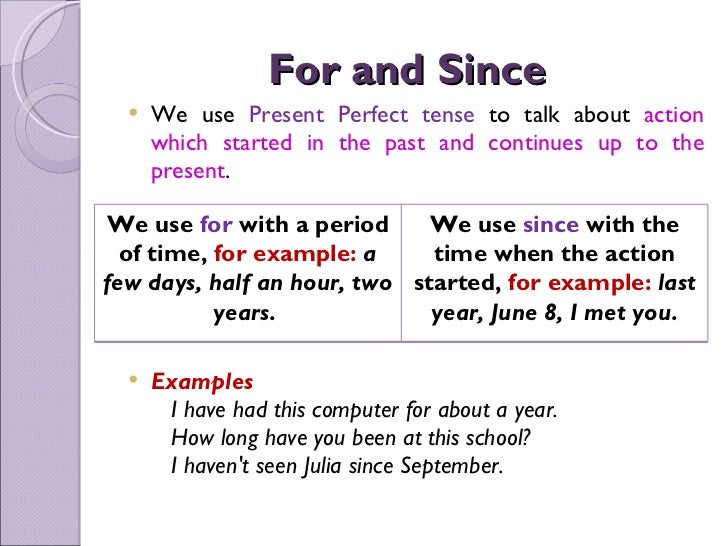
Present perfect
For: I haven't visited Madrid for three years
Since: have you been at this schoolsince you were 12?
Already: she has already ask me.
Yet: we haven't had breakfast yet.
Still: they still haven´t been to London
Past simple
Yesterday: I didn't do my exam yesterday.
In: Did you go to the beach in summer?
Later: He saw her half an hour later.
Ago: We moved to France two years ago.
Subject questions
Who invented the mobile phone?
What happened next?
Who used the computer last?
Object questions
When did Sarah buy her laptop?
How do you use the app?
What did people do before they had mobile phones?
Present perfect with ever, never and just
Ever: Have you ever been to America?
Never: I've never had a problem with this computer
Just: Sammie has just bought a new TV
Present perfect
For: I haven't visited Madrid for three years
Since: have you been at this schoolsince you were 12?
Already: she has already ask me.
Yet: we haven't had breakfast yet.
Still: they still haven´t been to London
Past simple
Yesterday: I didn't do my exam yesterday.
In: Did you go to the beach in summer?
Later: He saw her half an hour later.
Ago: We moved to France two years ago.
Subject questions
Who invented the mobile phone?
What happened next?
Who used the computer last?
Object questions
When did Sarah buy her laptop?
How do you use the app?
What did people do before they had mobile phones?
Present perfect with ever, never and just
Ever: Have you ever been to America?
Never: I've never had a problem with this computer
Just: Sammie has just bought a new TV
UNIT 4
Amusing: divertido
Annoying: molesto
Frightening: aterrador
Irritating: irritante
Upsetting: molesto
Plug in: enchufar
Scroll: deslizar el dedo
Stream: corriente
Unplug: desenchufar
Burst out laughing: no parar de reir
Gap: brecha
Misunderstanding: malentendido
Nod your head: asentir con la cabeza
Shake your head: sacudir la cabeza
Spread news: difundir noticias
Squeeze: exprimir
Warn: advertir
Amusing: divertido
Annoying: molesto
Frightening: aterrador
Irritating: irritante
Upsetting: molesto
Plug in: enchufar
Scroll: deslizar el dedo
Stream: corriente
Unplug: desenchufar
Burst out laughing: no parar de reir
Gap: brecha
Misunderstanding: malentendido
Nod your head: asentir con la cabeza
Shake your head: sacudir la cabeza
Spread news: difundir noticias
Squeeze: exprimir
Warn: advertir

UNIT 3
Set up: prepare to sell
Queue up: stay in a line for something
Turn up: come
Fill you up: llenar
Bargain: gangas
Be worth: valer
Borrow: pedir prestado
Lend: prestar
Save up: ahorrar
Waste: vender
Join in: participar
Miss out: perder
Take up: comenzar
Try out: probar
Customer: cliente
Gloves: guantes
Shop owner: dueño de la tienda
Sports gear: engranaje de los deportes
Wash up: lavarse
Set up: prepare to sell
Queue up: stay in a line for something
Turn up: come
Fill you up: llenar
Bargain: gangas
Be worth: valer
Borrow: pedir prestado
Lend: prestar
Save up: ahorrar
Waste: vender
Join in: participar
Miss out: perder
Take up: comenzar
Try out: probar
Customer: cliente
Gloves: guantes
Shop owner: dueño de la tienda
Sports gear: engranaje de los deportes
Wash up: lavarse
Subscribe to:
Posts (Atom)